Securities & Commodities Fraud: 18 U.S.C. § 1348 Laws & Penalties
Federal securities and commodities fraud under 18 U.S.C. § 1348 is a high-stakes federal felony carrying up to 25 years in federal prison.
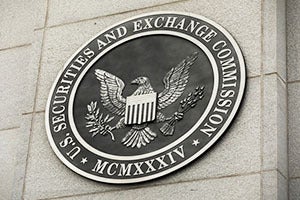
Enacted under the Sarbanes-Oxley Act of 2002, this statute gives the U.S. Department of Justice (DOJ) broad authority to criminally prosecute individuals, corporate executives, brokers, financial analysts, and entities accused of defrauding investors in financial markets.
Modeled after federal mail and wire fraud statutes, Section 1348 targets fraudulent schemes involving stocks, bonds, options, and commodities markets regulated by the Securities and Exchange Commission (SEC) and the Commodity Futures Trading Commission (CFTC).
Legal Definition of 18 U.S.C. § 1348
Under Title 18 of the United States Code, Section 1348 officially provides:
"Whoever knowingly executes, or attempts to execute, a scheme or artifice—
(1) to defraud any person in connection with any commodity for future delivery, or any option on a commodity for future delivery, or any security of an issuer with a class of securities registered under section 12 of the Securities Exchange Act of 1934 (15 U.S.C. 78l) or that is required to file reports under section 15(d) of the Securities Exchange Act of 1934 (15 U.S.C. 78o(d)); or
(2) to obtain, by means of false or fraudulent pretenses, representations, or promises, any money or property in connection with the purchase or sale of any commodity for future delivery, or any option on a commodity for future delivery, or any security of an issuer with a class of securities registered under section 12 of the Securities Exchange Act of 1934 (15 U.S.C. 78l) or that is required to file reports under section 15(d) of the Securities Exchange Act of 1934 (15 U.S.C. 78o(d));
shall be fined under this title, or imprisoned not more than 25 years, or both."
Key Statutory Definitions
To properly interpret 18 U.S.C. § 1348, federal courts and juries rely on specific legal definitions established by federal statute and case law:
-
Security: Under 15 U.S.C. § 77b(a)(1), a "security" broadly encompasses corporate stocks, treasury stocks, bonds, debentures, notes, evidence of indebtedness, investment contracts, voting-trust certificates, and options on securities.
-
Commodity: Under the Commodity Exchange Act (7 U.S.C. § 1a(9)), a "commodity" includes agricultural goods (wheat, corn, livestock), physical energy/metals (oil, gold, silver), and modern financial derivatives or indices traded on open exchanges.
-
Scheme or Artifice to Defraud: A structured design, plan, or course of action intended to deceive others using false claims, deliberate misrepresentations, or fraudulent omissions to deprive a victim of money, property, or valuable rights.
-
Knowingly & Willfully: The legal state of mind (mens rea) required for conviction, meaning the defendant acted intentionally and with knowledge that their conduct was deceptive, rather than by accident, mistake, or good-faith error.
-
Materiality: A representation, promise, or omitted fact is "material" if a reasonable investor would consider it important when making an investment, buying, or selling decision.
Federal Securities vs. Commodities Fraud Comparison
|
Category |
Securities Fraud |
Commodities Fraud |
| Primary Financial Instruments | Stocks, corporate bonds, bank notes, municipal bonds, investment contracts. | Physical goods (gold, oil, wheat) and financial derivatives (futures and options). |
| Regulatory Agency | Securities and Exchange Commission (SEC) | Commodity Futures Trading Commission (CFTC) |
| Governing Framework | Securities Exchange Act of 1934; 18 U.S.C. § 1348 | Commodity Exchange Act (CEA); 18 U.S.C. § 1348 |
| Common Schemes | Insider trading, pump-and-dump, accounting fraud, misrepresentation. | Market manipulation, spoofing, bucket shops, fraudulent futures trading. |
Two Legal Categories Under 18 U.S.C. § 1348
To secure a conviction under 18 U.S.C. § 1348, a federal prosecutor must prove beyond a reasonable doubt that the defendant knowingly and willfully executed (or attempted to execute) a scheme to commit one of two distinct categories of prohibited behavior:
-
Defrauding a Person (18 U.S.C. § 1348(1)): Knowingly executing a scheme or artifice to defraud any person in connection with a commodity, option, or security.
-
Obtaining Property by Deception (18 U.S.C. § 1348(2)): Obtaining money or property by means of false or fraudulent pretenses, representations, or promises in connection with the purchase or sale of a commodity, option, or security.
Key Legal Takeaway: A defendant can be convicted under 18 U.S.C. § 1348 even if they never made a profit or caused actual financial loss. Simply executing a scheme with the intent to defraud is sufficient to trigger criminal liability.
6 Common Types of Federal Securities Fraud Schemes
Federal prosecutors at the U.S. Department of Justice (DOJ) and enforcement attorneys at the SEC and CFTC aggressively target a wide range of deceptive practices in capital markets. Under 18 U.S.C. § 1348, the most frequently prosecuted federal securities and commodities fraud schemes include:
1. Insider Trading & Misuse of Non-Public Information
Insider trading occurs when a corporate officer, director, employee, or tippee executes trades in a public company's securities while possessing Material Non-Public Information (MNPI).
Federal prosecutors charge insider trading under Section 1348 when individuals breach a fiduciary duty or duty of trust to profit from undisclosed corporate developments (such as upcoming earnings reports, regulatory approvals, or pending mergers).
2. Market Manipulation: "Pump and Dump" & Spoofing
Market manipulation schemes involve artificially distorting supply, demand, or market prices to deceive investors:
-
Pump and Dump: Perpetrators quietly accumulate cheap microcap stocks or digital assets, manipulate market demand by spreading false statements or coordinated promotional hype, and then "dump" their shares at peak prices—leaving retail investors with worthless assets.
-
Spoofing & Layering: Traders submit large volume orders they intend to cancel before execution to create a false illusion of market liquidity or price direction, enabling them to execute favorable trades on separate accounts.
3. Accounting Fraud & Financial Misrepresentation
Accounting fraud occurs when corporate executives, financial officers, or accountants intentionally manipulate corporate financial records to mislead investors, auditors, and financial markets.
Common practices include overstating company revenues, concealing debt, falsifying assets, or improperly deferring operational expenses to inflate share valuations.
4. Corporate Misrepresentation & Material Omissions
Federal law prohibits corporate entities or executives from making false statements or concealing material facts regarding a company's financial health, operational viability, or regulatory compliance.
Making misleading statements during earnings calls, SEC disclosures, press releases, or prospectus filings constitutes actionable securities fraud under 18 U.S.C. § 1348(2).
5. Churning & Broker-Dealer Misconduct
Churning occurs when a stockbroker or investment advisor with discretionary authority over a client's account executes an excessive volume of buy and sell transactions. The primary intent of churning is to generate trading commissions or markup fees for the broker at the direct financial detriment of the investor.
6. Digital Asset, Crypto, & "Outsider Trading" Schemes
Modern federal securities fraud enforcement increasingly targets emerging digital asset and cybersecurity-related offenses:
-
Digital Asset & Crypto Fraud: Offering or selling digital tokens as unregistered investment contracts using fraudulent misrepresentations, misrepresenting yield generation programs, or executing "pig butchering" and fraudulent token presales.
-
Outsider Trading (Cyber-Hacking): Unlawfully hacking into corporate, legal, or regulatory databases to steal confidential market data or trade secrets prior to public disclosure.
Additional forms of financial fraud charged under 18 U.S.C. § 1348 include Ponzi/pyramid schemes, corporate embezzlement, abusive short-selling, and lying to corporate auditors.
Criminal Penalties and Federal Sentencing Guidelines
A conviction under 18 U.S.C. § 1348 carries severe federal statutory penalties:
-
Maximum Prison Sentence: Up to 25 years in federal prison.
-
Fines: Fines up to $250,000 for individuals (or up to $5,000,000 depending on related statutory counts) and substantial corporate penalties.
-
Conspiracy & Attempt (18 U.S.C. § 1349): Under Section 1349, attempting or conspiring to commit securities fraud carries the exact same penalties as the completed substantive offense.
Loss Amount Calculations in Federal Sentencing
Actual sentences are governed by the United States Sentencing Guidelines (U.S.S.G. §2B1.1). The primary sentencing driver in white-collar cases is the loss amount (calculated as the greater of actual financial loss or intended loss). Higher loss figures substantially escalate the offense level, leading to significantly longer prison terms.
Effective Legal Defense Strategies for 18 U.S.C. § 1348
Defending against federal securities and commodities fraud charges under 18 U.S.C. § 1348 requires dismantling the prosecution's evidence across key statutory elements.
Because federal prosecutors bear the heavy burden of proving every element beyond a reasonable doubt, an experienced white-collar defense team can leverage several strategic legal defenses:
-
Lack of Fraudulent Intent (Absence of Scienter): Defense counsel establishes that the conduct stemmed from honest business mistakes, poor market judgment, or civil negligence rather than a knowing and intentional scheme to deceive, manipulate, or defraud.
-
Good-Faith Reliance on Professional Advice: The defendant shows no criminal intent by demonstrating they fully disclosed the facts to qualified professionals—such as CPAs, compliance officers, or securities attorneys—and acted strictly on their advice.
-
Lack of Materiality (Non-Actionable Statements & Puffery): The defense proves the alleged misrepresentation or omission was trivial, mere corporate optimism ("puffery"), or immaterial to a reasonable investor's decision-making process.
-
Loss Causation & Independent Market Factors: Forensic economic experts establish that investor losses stemmed from macroeconomic shifts, broader industry downturns, or supply chain disruptions rather than the defendant's alleged misconduct.
-
Challenging Loss Amount Calculations at Sentencing: Defense counsel disputes the government's "actual" or "intended" loss methodology under U.S.S.G. §2B1.1 to significantly lower the offense level and reduce potential prison exposure.
-
Constitutional & Procedural Suppression Motions: Counsel files motions to suppress evidence if federal agents violated Fourth or Fifth Amendment rights through overbroad digital search warrants or improper coordination between SEC civil inquiries and DOJ criminal prosecutions.
Frequently Asked Questions (FAQs)
What is federal securities fraud under 18 U.S.C. § 1348?
Section 1348 is a federal felony statute that makes it illegal to knowingly defraud anyone or obtain money/property through false pretenses in connection with any security, commodity, option, or future transaction.
What is the maximum prison sentence for a federal securities fraud conviction?
A conviction under 18 U.S.C. § 1348 carries a maximum penalty of 25 years in federal prison per count, along with substantial fines and mandatory restitution orders.
Can I be charged with federal securities fraud if no one lost money?
Yes. Federal law punishes the intent and execution of a fraudulent scheme; proof of actual financial loss or realized profit is not required to secure a conviction.
How does 18 U.S.C. § 1348 differ from wire fraud or mail fraud?
While wire and mail fraud require the use of interstate wires or mail services, 18 U.S.C. § 1348 focuses on financial instruments and transactions involving securities or commodities and carries a higher statutory maximum penalty (25 years vs. 20 years).
What is the difference between SEC civil enforcement and DOJ criminal prosecution?
The SEC enforces civil administrative actions (resulting in fines, disgorgement, and industry bans), while the U.S. Department of Justice (DOJ) brings federal criminal indictments resulting in prison sentences and criminal fines.
What is 18 U.S.C. § 1349?
Section 1349 establishes that any attempt or conspiracy to commit securities fraud, wire fraud, or mail fraud is subject to the same statutory prison penalties as the underlying offense.
How do federal judges calculate prison sentences in financial fraud cases?
Judges use the Federal Sentencing Guidelines, primarily focusing on the actual or intended loss amount, the number of victims, the sophistication of the scheme, and whether the defendant held a position of trust.
What should I do if contacted by federal agents regarding securities fraud?
Do not make any statements or provide documents without legal counsel. Decline to answer questions and contact an experienced federal criminal defense lawyer immediately to protect your constitutional rights.
Related Federal Statutes
Understanding related federal statutes matters because federal prosecutors rarely charge 18 U.S.C. § 1348 in isolation; white-collar indictments typically stack multiple statutory counts—such as wire fraud, mail fraud, conspiracy, and money laundering—to increase sentencing exposure and maximize leverage during plea negotiations.
-
18 U.S.C. § 1341 – Mail Fraud: Criminalizes using the U.S. Postal Service or private commercial interstate carriers (e.g., FedEx, UPS) to execute or further any fraudulent scheme.
-
18 U.S.C. § 1343 – Wire Fraud: Prohibits executing a fraudulent scheme using electronic communications, such as emails, wire transfers, phone calls, text messages, or internet transmissions across state or international borders.
-
18 U.S.C. § 1349 – Attempt and Conspiracy: Imposes the exact same statutory maximum prison penalties for attempting or conspiring to commit securities, wire, or mail fraud as the completed substantive offense.
-
15 U.S.C. § 78j(b) & SEC Rule 10b-5 (Securities Exchange Act of 1934): Provides the foundational statutory and regulatory framework authorizing parallel criminal and civil enforcement against deceptive, manipulative, or fraudulent devices in connection with security sales.
-
18 U.S.C. § 1956 – Money Laundering: Criminalizes conducting financial transactions involving funds derived from unlawful activity—such as securities fraud proceeds—to conceal their origin, ownership, or location.
Consult Federal Defense Counsel
If you are under federal investigation or facing criminal indictment under 18 U.S.C. § 1348, early intervention by experienced legal counsel is critical.
The best way to secure a favorable outcome is to consult an experienced federal criminal defense attorney at Esfandi Law Group in Los Angeles. Schedule your free consultation at (310) 274-6529 or use the contact form.